

Red Cherry Shrimp Care Guide: Tank Setup, Water Parameters & Breeding Tips
Red Cherry Shrimp Care Guide
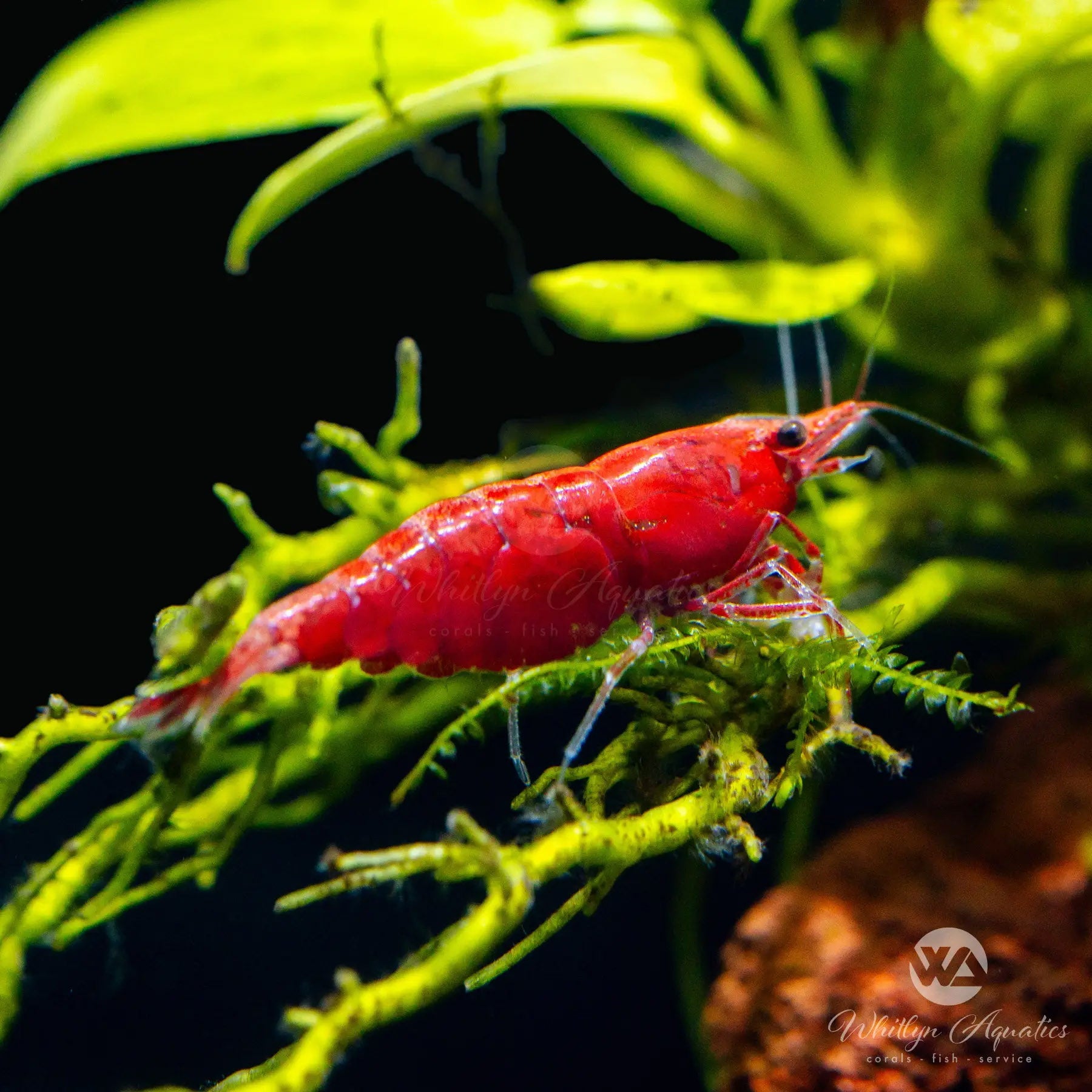
Red Cherry Shrimp (Neocaridina sp.) are one of the most popular freshwater invertebrates in the aquarium hobby — and for good reason. They're hardy, colorful, easy to breed, and excellent algae eaters. Whether you're a beginner setting up your first planted tank or an experienced reefer adding a cleanup crew, Red Cherry Shrimp are a fantastic choice.
Ready to add them to your tank? Shop our Red Cherry Shrimp here.
Quick Stats
- Scientific Name: Neocaridina davidi
- Care Level: Beginner
- Temperament: Peaceful
- Size: 1–1.5 inches (2.5–4 cm)
- Lifespan: 1–2 years
- Tank Size: 5 gallons minimum
Ideal Water Parameters
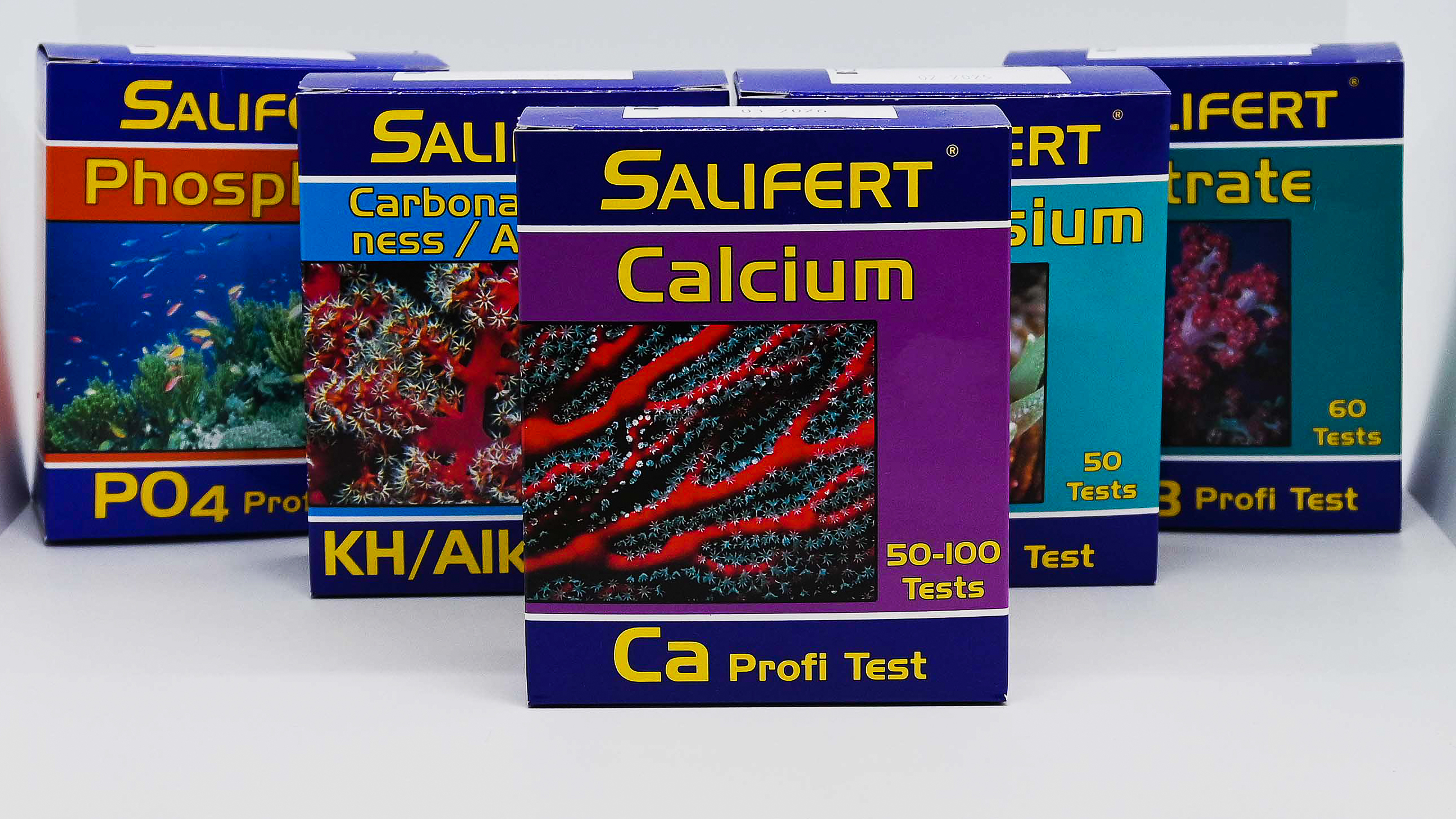
Neocaridina shrimp are adaptable, but stable water conditions are key to keeping them healthy and breeding.
- Temperature: 65–80°F (18–27°C)
- pH: 6.5–8.0
- GH (General Hardness): 6–8 dGH
- KH (Carbonate Hardness): 2–8 dKH
- TDS: 150–250 ppm
- Ammonia/Nitrite: 0 ppm
- Nitrate: Under 20 ppm
Pro tip: Avoid copper-based medications and fertilizers — copper is lethal to shrimp even in trace amounts.
Tank Setup
Red Cherry Shrimp thrive in planted tanks with plenty of hiding spots. Java moss, hornwort, and other fine-leafed plants give them surfaces to graze on and places to hide during molting.
- Substrate: Inert gravel or sand works well. Avoid active substrates that lower pH significantly.
- Filtration: Use a sponge filter or cover your filter intake with a sponge — shrimp and especially shrimplets can be sucked into standard filters.
- Lighting: Moderate lighting supports plant growth and algae, which shrimp love to graze on.
Feeding
Red Cherry Shrimp are omnivores and natural scavengers. In a planted tank, they'll graze on biofilm, algae, and decaying plant matter constantly. Supplement their diet with:
- High-quality shrimp pellets or wafers
- Blanched vegetables (zucchini, spinach, cucumber)
- Leaf litter (Indian almond leaves, mulberry leaves)
Feed small amounts every 1–2 days and remove uneaten food after 24 hours to maintain water quality.
Tankmates
Keep Red Cherry Shrimp with small, peaceful fish that won't view them as a snack. Good tankmates include:
- Otocinclus catfish
- Ember tetras
- Corydoras (small species)
- Snails (nerite, mystery)
Avoid bettas, cichlids, and any fish large enough to eat a shrimp.
Breeding Red Cherry Shrimp
One of the best things about Red Cherry Shrimp is how readily they breed in a well-maintained tank. Females carry green or yellow eggs under their tails (called "berried" shrimp) for 3–4 weeks before the eggs hatch into miniature versions of the adults.
To encourage breeding:
- Maintain stable, clean water
- Keep a ratio of 2–3 females per male
- Provide plenty of plants and hiding spots for shrimplets
- Avoid large water changes — gradual changes are less stressful
Common Health Issues
- Failed molts: Usually caused by low GH or KH. Supplement with mineral additives if needed.
- White ring of death: A white ring around the shrimp's body during molting indicates a failed molt, often from stress or poor water quality.
- Bacterial infections: Maintain clean water and avoid overfeeding.
Ready to Get Started?
Red Cherry Shrimp are one of the most rewarding invertebrates you can keep. They're active, colorful, and endlessly entertaining as they graze and explore your tank.
Leave a comment