


Panda Garra Care Guide: The Algae-Eating Gem of the Freshwater Aquarium
Panda Garra Care Guide
The Panda Garra (Garra flavatra) is a stunning and underrated freshwater fish that deserves far more attention in the hobby. With its bold black-and-white patterning, active personality, and impressive algae-eating ability, it's an excellent addition to planted tanks and community aquariums alike. Unlike many algae eaters, Panda Garras remain active during the day and are a joy to watch.
Ready to add one to your tank? Shop our Panda Garra here.
Quick Stats
- Scientific Name: Garra flavatra
- Care Level: Intermediate
- Temperament: Peaceful to semi-aggressive with own species
- Size: 2–3 inches (5–8 cm)
- Lifespan: 5–8 years
- Tank Size: 20 gallons minimum
Ideal Water Parameters
Panda Garras originate from fast-flowing, well-oxygenated streams in Myanmar. They need clean, highly oxygenated water to thrive — this is the most critical aspect of their care.
- Temperature: 68–78°F (20–26°C) — they prefer cooler water
- pH: 6.5–7.5
- GH: 5–15 dGH
- KH: 2–8 dKH
- Ammonia/Nitrite: 0 ppm
- Nitrate: Under 20 ppm
- Oxygen: High — use a powerhead, wavemaker, or surface agitation
Important: Panda Garras are sensitive to low oxygen levels. Strong filtration and surface agitation are non-negotiable.
Tank Setup
Replicate their natural stream habitat with good flow, smooth rocks, and plenty of surfaces for biofilm and algae to grow on.
- Substrate: Sand or smooth gravel; they love to rest on flat rocks
- Flow: Moderate to high — a powerhead or wavemaker is ideal
- Decor: Smooth river rocks, driftwood, and caves for hiding
- Plants: Hardy plants like anubias and java fern work well; they may graze on softer plants
- Filtration: A quality canister or HOB filter with good turnover
Feeding
Panda Garras are primarily herbivores and algae grazers, but they're opportunistic and will eat a variety of foods.
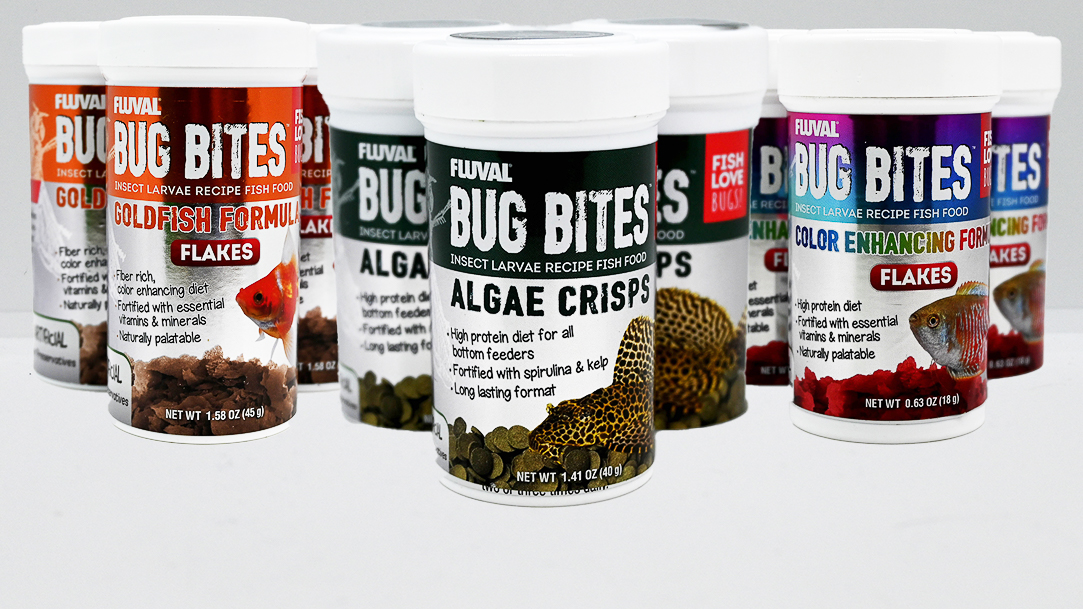
- Algae wafers and spirulina-based sinking pellets
- Blanched vegetables (zucchini, cucumber, spinach)
- Biofilm and algae growing naturally on rocks and glass
- Occasional protein: frozen bloodworms or daphnia
They use a specialized suckermouth to rasp algae off surfaces — providing smooth rocks and driftwood gives them natural grazing opportunities.
Behavior & Social Dynamics
Panda Garras are active, curious fish that spend most of their time exploring the bottom and mid-levels of the tank. They can be territorial with their own species, especially in smaller tanks. Keep a single specimen or a group of 4+ to distribute aggression. Pairs and trios often result in one fish being bullied.
Tankmates
Panda Garras are generally peaceful with other species. Good tankmates include:
- Tetras and rasboras
- Danios (they share a love of flow)
- Corydoras
- Hillstream loaches
- Larger shrimp (they may bother small shrimp)
Avoid slow-moving, long-finned fish that may be nipped, and other bottom-dwelling algae eaters that may compete for territory.
Common Health Issues
- Oxygen deprivation: The most common cause of decline. Ensure strong surface agitation at all times.
- Ich: Treat with heat therapy or half-dose medication; they can be sensitive to chemicals.
- Bloat/constipation: Caused by overfeeding protein. Keep their diet primarily plant-based.
A Hidden Gem Worth Keeping
Panda Garras are one of those fish that experienced hobbyists rave about but beginners often overlook. Once you see one actively grazing across your rockwork in a well-oxygenated tank, you'll understand the appeal immediately.
Leave a comment