


Cardinal Tetra Care Guide: Water Parameters, Tank Setup & Schooling Tips
Cardinal Tetra Care Guide
The Cardinal Tetra (Paracheirodon axelrodi) is one of the most iconic freshwater aquarium fish in the world. With its brilliant red belly and iridescent blue stripe, a school of Cardinals in a planted tank is a breathtaking sight. They're a staple of the South American biotope and a favorite among aquascapers and hobbyists alike.
Ready to add a school to your tank? Shop our Cardinal Tetras here.
Quick Stats
- Scientific Name: Paracheirodon axelrodi
- Care Level: Beginner to Intermediate
- Temperament: Peaceful, schooling
- Size: Up to 2 inches (5 cm)
- Lifespan: 3–5 years
- Tank Size: 20 gallons minimum for a school
Ideal Water Parameters
Cardinal Tetras come from the soft, acidic blackwater rivers of the Amazon basin. Replicating these conditions will bring out their best colors and keep them healthy long-term.
- Temperature: 73–81°F (23–27°C)
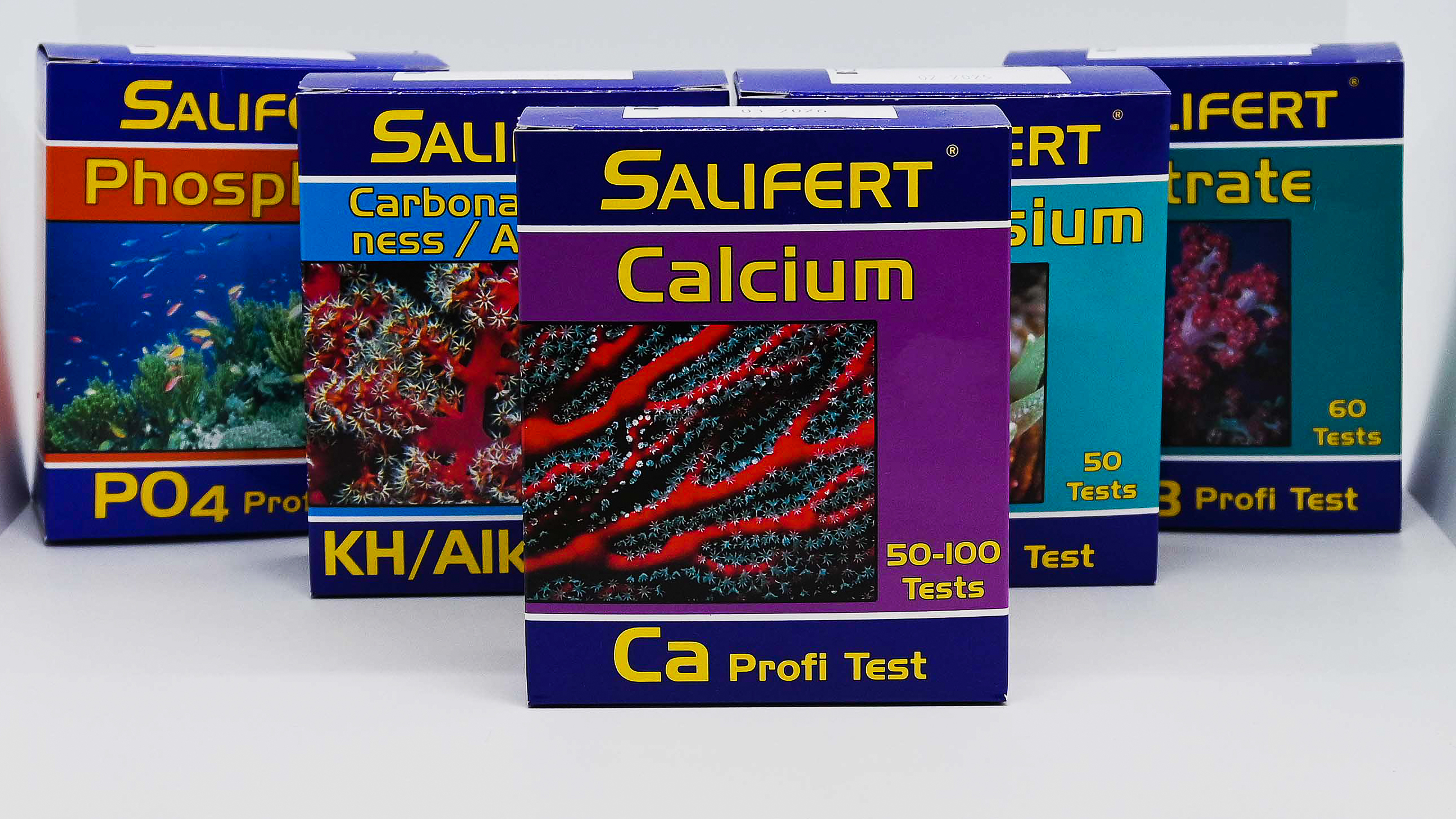
- pH: 4.5–7.0 (ideal: 5.5–6.5)
- GH: 1–8 dGH (soft water preferred)
- KH: 0–4 dKH
- Ammonia/Nitrite: 0 ppm
- Nitrate: Under 20 ppm
Note: Cardinals are more sensitive to water quality than their cousin the Neon Tetra. Pristine water and stable parameters are essential.
Tank Setup
Cardinal Tetras look their absolute best in a densely planted tank with a dark substrate and dim lighting — mimicking the tannin-stained blackwater rivers of their natural habitat.
- Substrate: Dark sand or fine gravel
- Plants: Amazon swords, java fern, anubias, and floating plants to diffuse light
- Decor: Driftwood and Indian almond leaves to release tannins and lower pH naturally
- Filtration: Gentle flow — Cardinals prefer calm water. A sponge filter or low-flow canister works well.
- Lighting: Low to moderate; bright light can stress them and wash out their colors
Feeding
Cardinal Tetras are micro-predators in the wild, feeding on tiny invertebrates and zooplankton. In the aquarium, they readily accept:
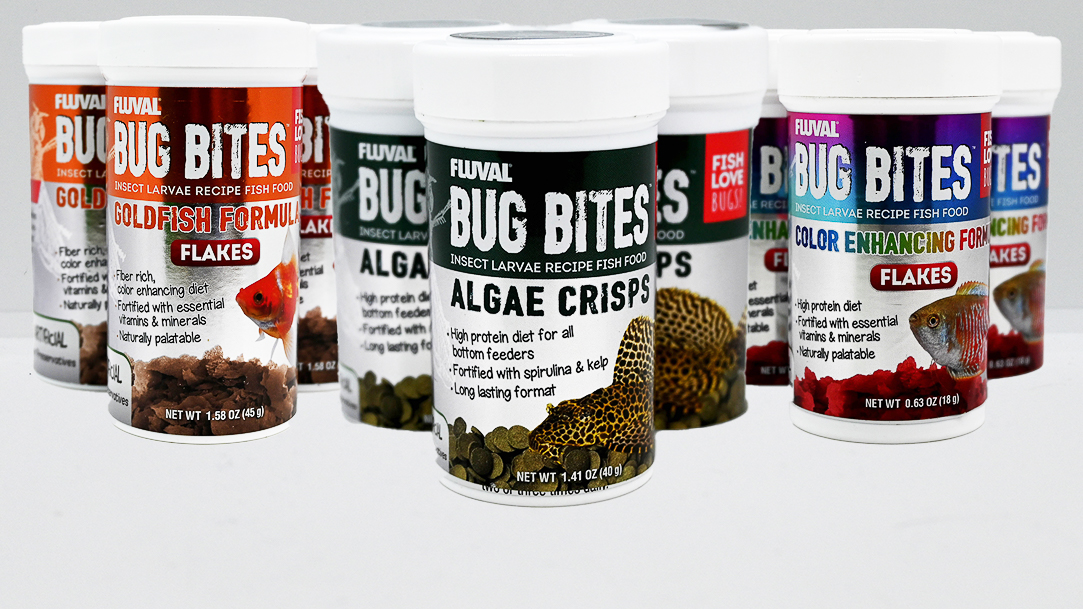
- High-quality micro pellets or flake food
- Frozen or live baby brine shrimp
- Daphnia and micro worms
- Cyclops and other small frozen foods
Feed small amounts 1–2 times daily. Variety in diet enhances their color and immune health.
Schooling Behavior
Cardinal Tetras are a true schooling species — they feel safest and look most impressive in groups. Keep a minimum of 6, but 10–20+ is ideal. A large, tight-moving school is one of the most stunning displays in the freshwater hobby.
Tankmates
Cardinals are peaceful and do well with other small, non-aggressive species. Great tankmates include:
- Corydoras catfish
- Dwarf cichlids (Apistogramma, German Blue Ram)
- Otocinclus
- Other small tetras
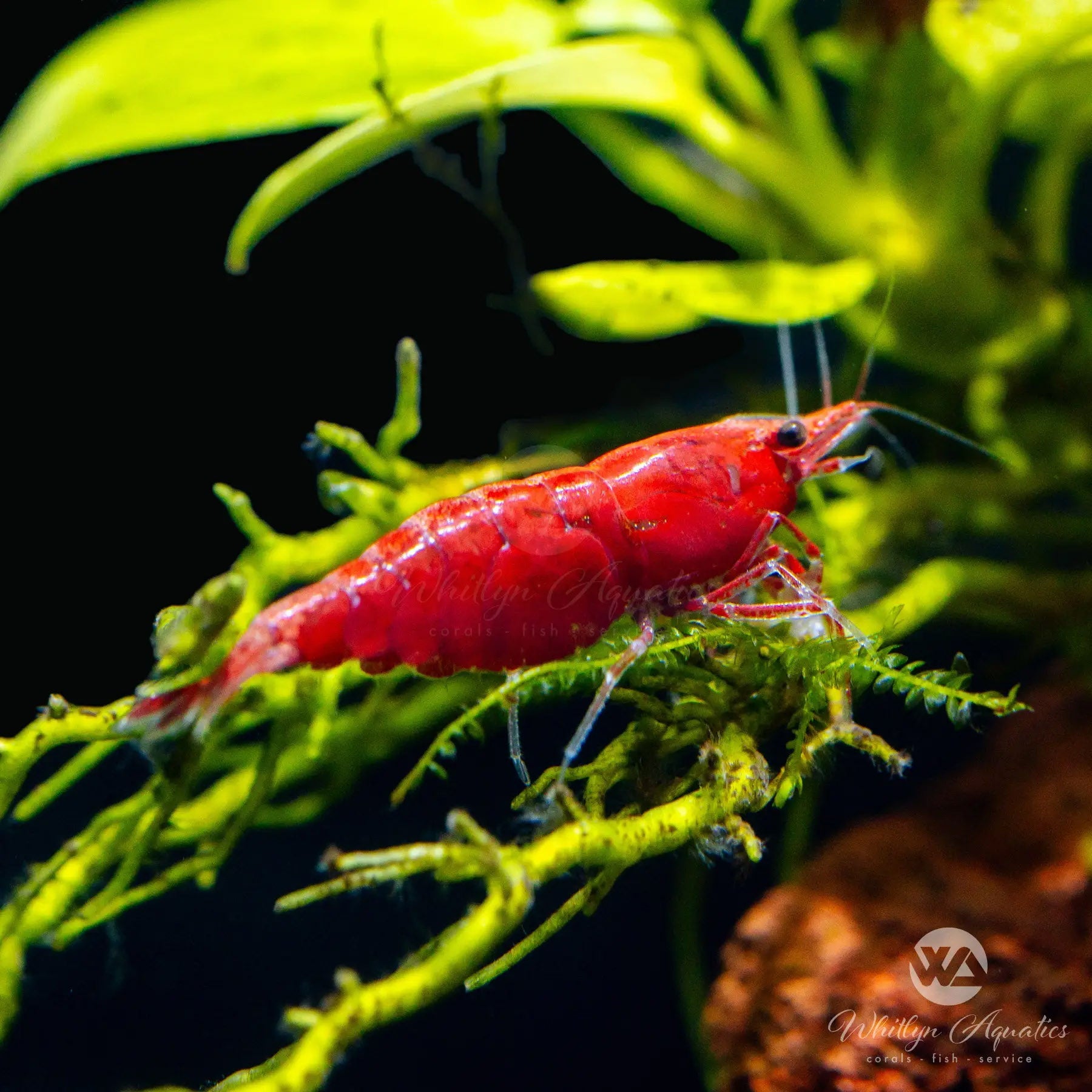
- Freshwater shrimp (with caution — Cardinals may eat shrimplets)
Avoid large or aggressive fish that will stress or eat them.
Common Health Issues
- Neon Tetra Disease: A parasitic infection causing color loss and wasting. Unfortunately incurable — quarantine new fish and maintain excellent water quality to prevent it.
- Ich (White Spot): Treat with heat (raise to 86°F for 10 days) or medication. Cardinals are sensitive to salt, so use with caution.
- Fin rot: Usually caused by poor water quality. Improve conditions and treat with antibacterial medication if needed.
Ready to Build Your School?
Few things in the freshwater hobby rival the beauty of a large Cardinal Tetra school gliding through a planted aquascape. They're a centerpiece fish that rewards attentive care with years of color and activity.
Leave a comment